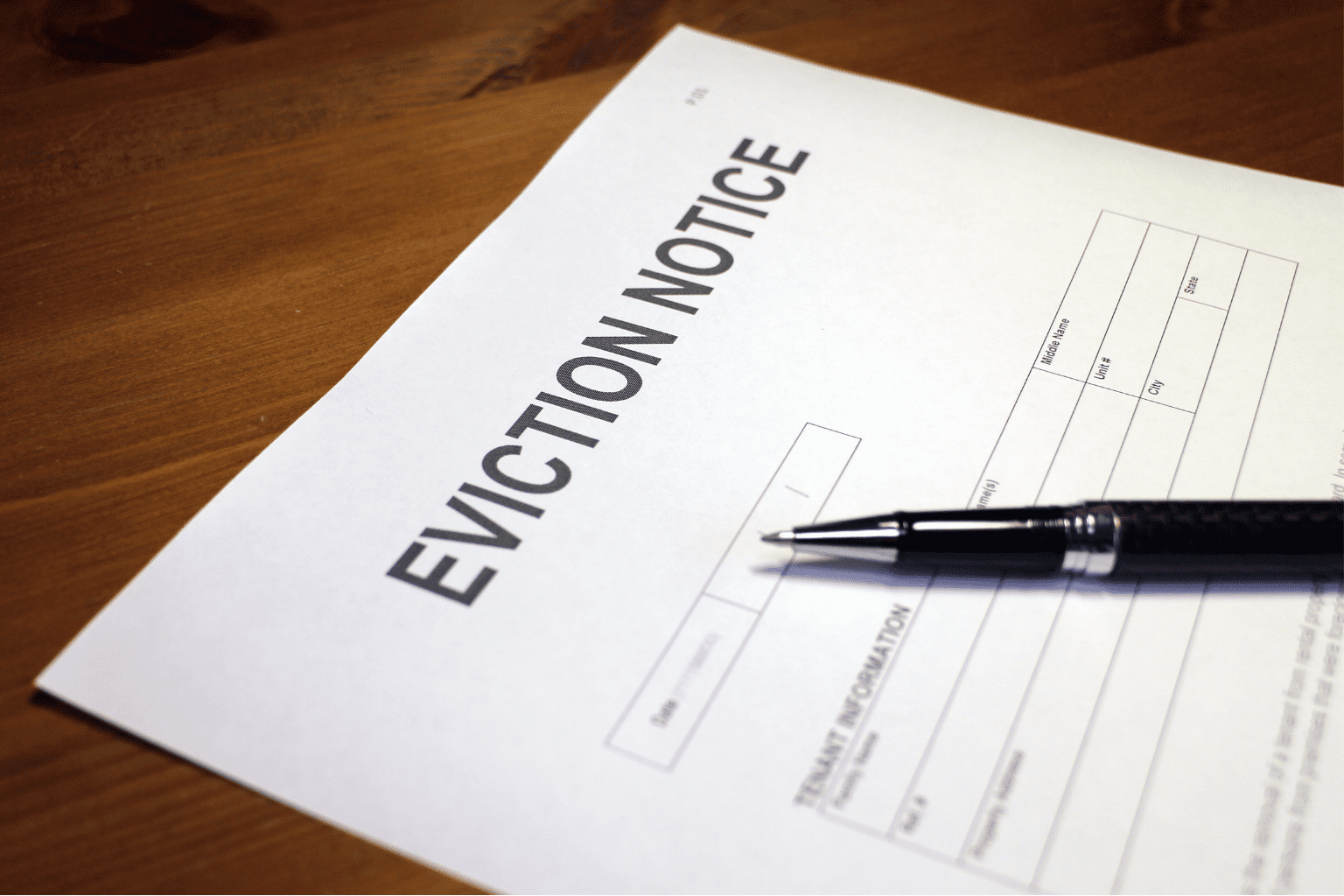

No-fault evictions, or Section 21 notices, happen when a private landlord legally evicts a tenant…

What is Classed as Harassment by a Neighbour?
PLEASE NOTE: Information in this article is correct at the time of publication, please contact DFA Law for current advice on older articles.
Neighbour disputes are often difficult to deal with from a social perspective. If someone lives so close to you, it can be intimidating to escalate a dispute.
Disputes can happen for many reasons. These include loud noise, a parking space, a party wall, or a border hedge. However, it may not be clear when a dispute becomes harassment. Thankfully, the law has clear boundaries that define what can be classed as harassment, and Citizens Advice provides some tips that can help with resolving the dispute.
Harassment is defined as types of behaviour that ‘cause alarm or distress’, or ‘put people in fear of violence’. This can include threats of violence or an actual act of violence, verbal abuse, threats or actual damage to property or possessions, as well as written forms of abuse or threats. Broadly, neighbour harassment is any act or behaviour from a neighbour that disturbs peace or security, or causes unnecessary inconvenience.
How to prove harassment by a neighbour
When you face harassment from a neighbour, it is important to keep records. Note when the harassment happens, what it involves, and any messages between you and the neighbour. For example, someone being harassed or involved in a dispute may write:
23/4/22 – loud music – 10.30pm to 1.30am – asked neighbour to turn down music several times but they refused with threats of violence, now seeking legal advice
It’s important to include details like the time, date and nature of the dispute so it is easier for them to be corroborated when documenting neighbour disputes. Continue to document the harassment for as long as it is ongoing, even if neighbour harassment solicitors have already been contacted.
What legal recourse does a victim of harassment from a neighbour have?
There is case law for harassment and for harassment to merit legal intervention, there must have been a ‘course of conduct’, or more than two related instances of harassment. The antisocial behaviour does not need to have been violent, but must have caused some alarm or distress, or have an element of oppression.
It is worth noting that the amount of time between instances of harassment will be considered when determining if a course of conduct has occurred, but all instances will be taken in account. Also worth noting is that all individual instances will be subject to the ‘reasonable person’ test, where it is judged whether an average person would have been put in distress by the instances of harassment.
Contacting neighbour dispute solicitors is also an option and will support the building of a case should the dispute reach civil court.
The DFA Law team offers neighbour dispute resolution services, including border hedges, parking spaces and other land disputes, as well as instances of physical and mental harassment by neighbours.
Get in touch with us by calling 01604 609560 or emailing info@dfalaw.co.uk to learn how we can help you.
Related Posts