

Yes, you need a solicitor to manage the transfer of the mortgage from one lender…
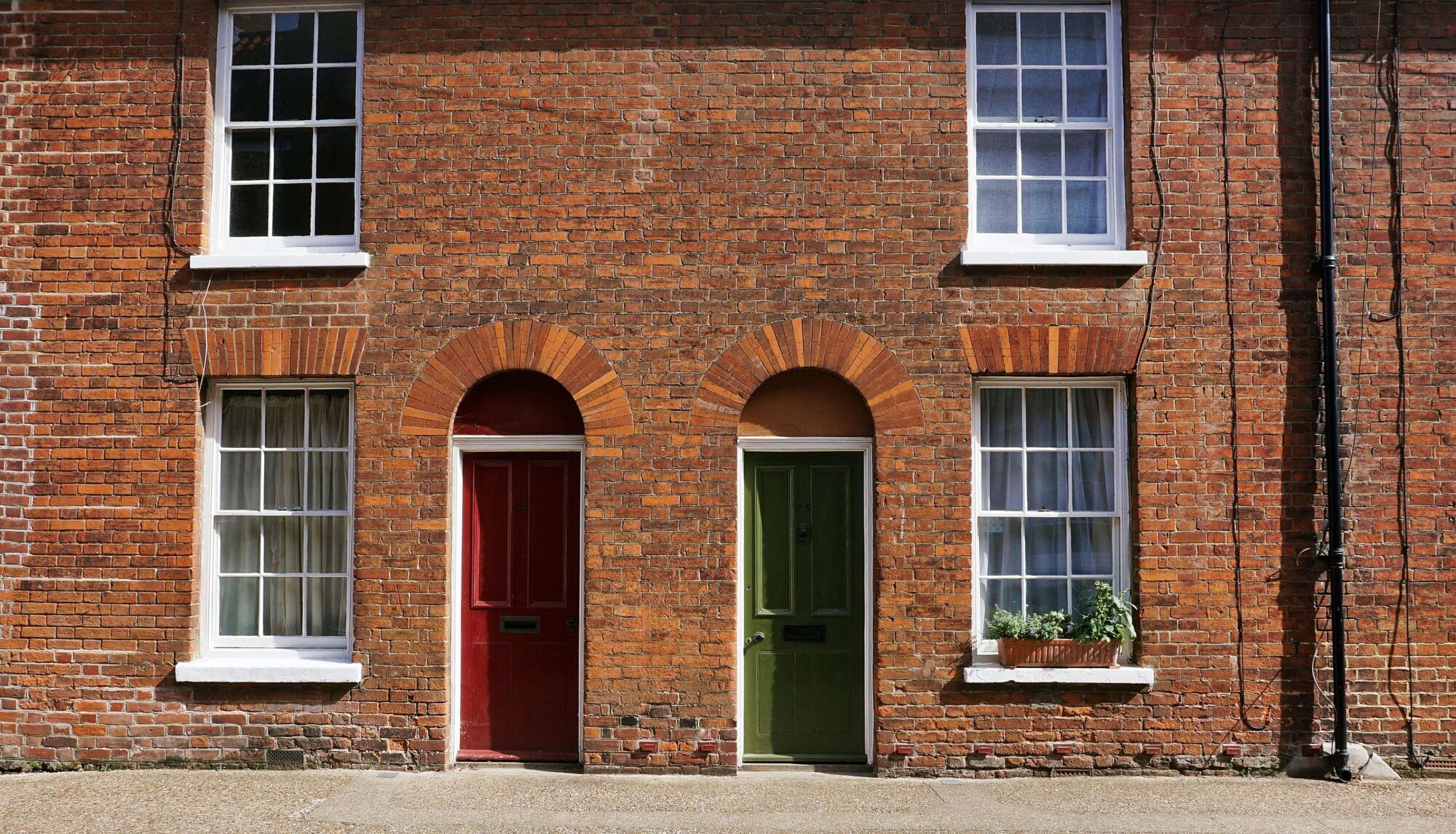
What Does Title Absolute Mean?
PLEASE NOTE: Information in this article is correct at the time of publication, please contact DFA Law for current advice on older articles.
Title absolute, or absolute title, is a common form of class granted by the HM Land Registry, which verifies that a parcel of land is unequivocally owned by the registered proprietor. While there are multiple different title deeds you may receive, title absolute is the best and it means that your right to the property cannot be disputed or challenged.
How do you qualify for title absolute?
To register for title absolute, you must apply through HM Land Registry. They will only grant title absolute if there is sufficient evidence to prove the applicant is the rightful owner of the property. Absolute title can be granted to both freehold and leasehold properties.
You can access the current title deeds to a property by submitting a deeds request form. This will also include information on the owner’s name, address, price paid, the date of the transaction and potential restrictions. A title absolute holder has the freedom to sell the property at their discretion, and this will pass on the title to the new owner.
Factors that could prevent you from obtaining title absolute are:
- There is a defect in the existing title
- There are outstanding taxes or mortgage payments on the property
- There are ongoing divorce or separation proceedings, which could lead to contested ownership
Other forms of property ownership
If you do not qualify for title absolute, you may receive a possessory, good leasehold, or qualified title.
Possessory titles are provided when there is insufficient evidence as to the ownership or if it can easily be/has been challenged by a third party. If a possessory title has been held for 12 or more years, you can apply to upgrade to title absolute without needing additional evidence.
A good leasehold title is provided when the property’s ownership is verifiable, but the landlord’s title is not registered with the HM Land Registry.
A qualified title is given when there are defects regarding the title, or there is evidence of a breach of trust regarding certain clauses.
If you are purchasing a property without title absolute, we recommend getting indemnity insurance, which will protect you from losses should a third party make an ownership claim to the property.
At DFA Law, our residential property lawyers and solicitors can help you with applying for title absolute and navigating different property titles. Contact our team by calling 01604 609560 or emailing info@dfalaw.co.uk.
Related Posts