

For domestic abuse cases, authorities can employ several types of injunctions to help protect victims…
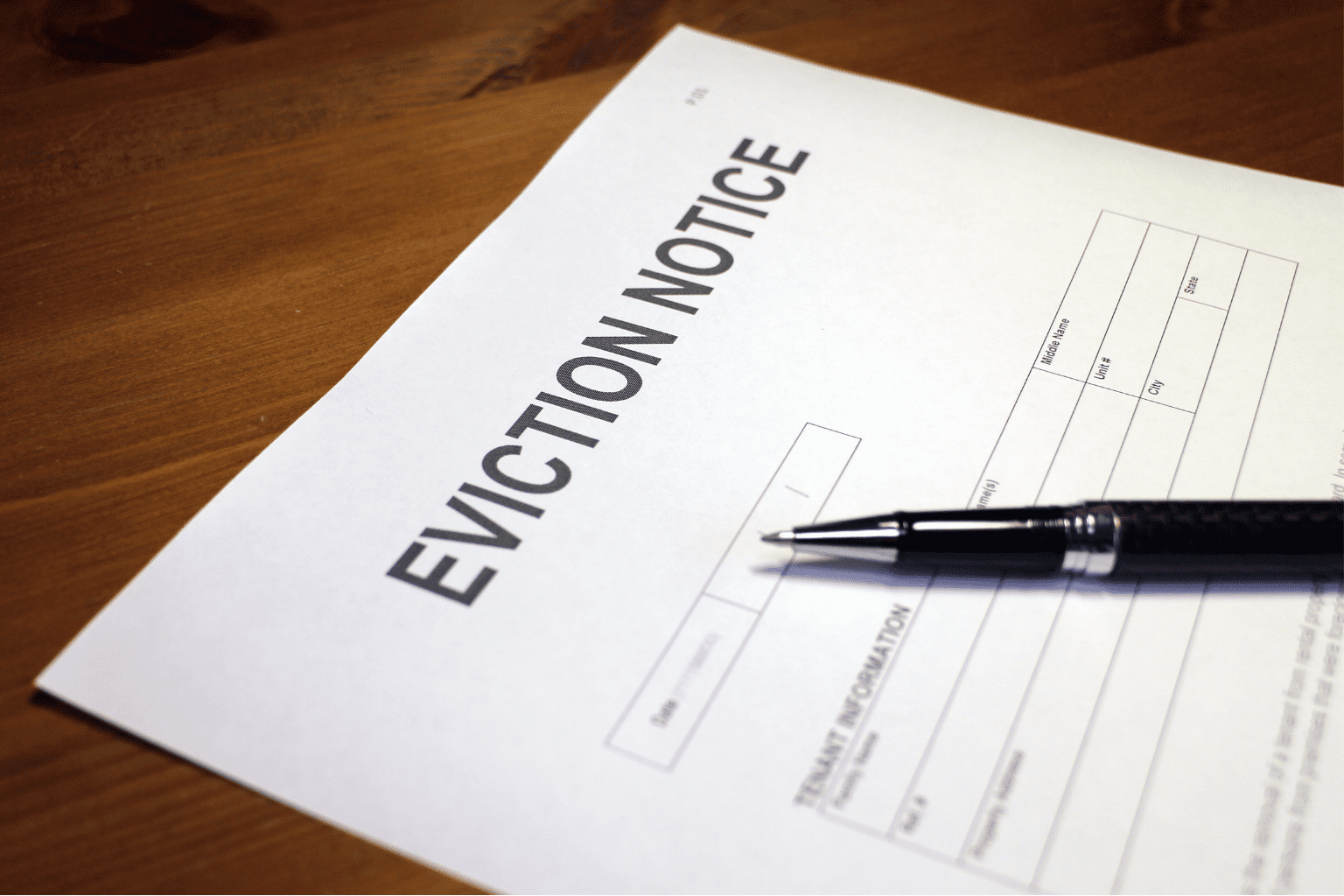
No-fault Evictions Explained
PLEASE NOTE: Information in this article is correct at the time of publication, please contact DFA Law for current advice on older articles.
No-fault evictions, or Section 21 notices, happen when a private landlord legally evicts a tenant without giving a reason. The alternative way to evict a tenant is using a section 8 notice, which requires ‘grounds for possession’.
The government is planning to ban no-fault evictions in England as part of the Renters’ Rights Bill. It should come into effect in later in 2025, potentially into 2026.
What is a no-fault eviction?
The no-fault eviction, or the Section 21 notice, was created in the Housing Act of 1988. It allows landlords to evict tenants without a reason, as long as they follow the correct legal steps.
With a no-fault eviction, a landlord can end an Assured Shorthold Tenancy (AST) without having to prove the tenant is at fault. A landlord usually needs a good reason for a Section 8 notice. This can include rent arrears, damage, or nuisance from the tenant.
Landlords can issue Section 21 notices at the end of a fixed-term tenancy agreement or during a tenancy with no fixed end-date. The landlord must give at least 2 months’ notice for the tenant to vacate the property and issue the correct documents. If the tenant does not leave within this time, the landlord can apply to the court for a possession order. The bailiffs can then evict the tenant from the rental property.
End of no-fault evictions
Amid a housing crisis and economic uncertainty, the public has called for an end to the Section 21 notice. In 2019, PM Theresa May pledged to ban no-fault evictions. Boris Johnson included this in his manifesto when he became Prime Minister.
The Conservative government postponed this plan because of pressure from landlord MPs. Now, Labour is working again to ban no-fault evictions. The abolishment will start with the Renter’s Rights Bill. This could stop up to 216,000 evictions each year.
If you have been issued a Section 21 notice and believe you have grounds to contest it, the DFA Law team is here to help you with your personal disputes.
Related Posts