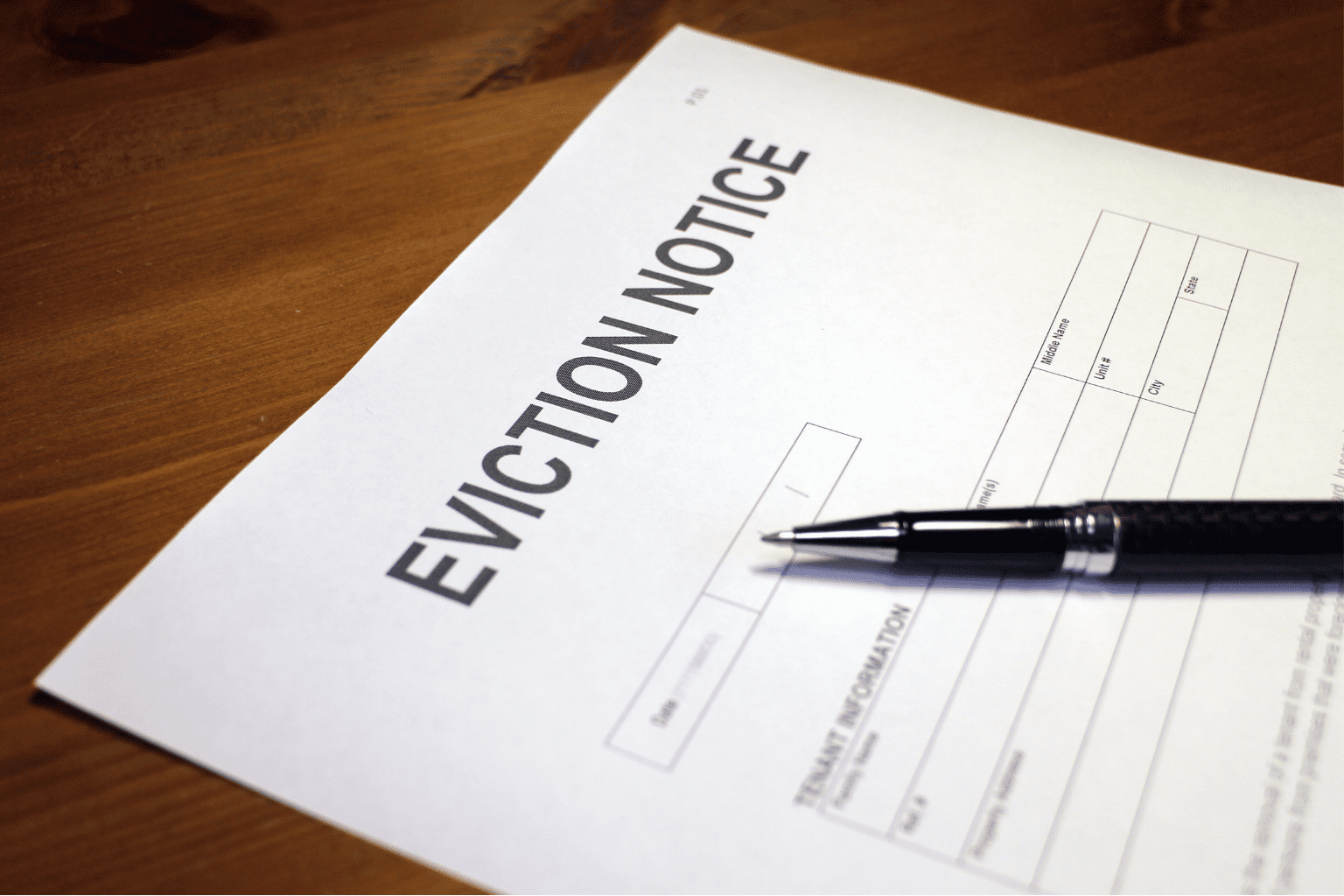

No-fault evictions, or Section 21 notices, happen when a private landlord legally evicts a tenant…

How Do You Get an Injunction Against Someone?
PLEASE NOTE: Information in this article is correct at the time of publication, please contact DFA Law for current advice on older articles.
For domestic abuse cases, authorities can employ several types of injunctions to help protect victims. These include:
- Non-molestation orders prevent an ex-partner, or any individual, from harassing another. This includes physical violence, shouting or other communication intended to intimidate or distress a victim. This differs from a restraining order because criminal courts issue those.
- Occupation orders dictate who has access to and can live in a property, often a family home. They can stop people from entering some areas of a house. They can help settle arguments about who can live there. They can also set other rules about access to the property.
For businesses looking to prevent certain actions by parties:
- Freezing injunctions, which prevent businesses or individuals from moving money outside the UK;
- Privacy injunctions, which stop other parties from releasing damaging information, or keeping confidential information private;
- Delivery injunction; which orders other parties to disclose documents or property.
How to get an injunction against someone
You can apply for injunctions online at the RCJ Citizens Advice website. You can also apply by email, post, or in person using an application form.
To improve your chances of a successful application, it is best to have a legal expert review it. This will help make sure your application is as strong as possible legally.
The court usually holds the case for an injunction in Family, Youth, or County Court, depending on the type of case. Criminal courts such as magistrates and crown courts will only become involved if the case requires.
How much does an injunction cost?
Many factors impact the legal costs of an injunction. The complexity of a case, the court that hears it, and the quality of legal advice will all matter. However, there are a variety of legal aid options available for those applying for injunctions.
DFA Law offers expert legal advice to individuals and businesses seeking injunctions against other parties for various reasons. Our team can handle sensitive personal and business cases. We will help make your application as strong as possible. Call 01604 609560 or email info@dfalaw.co.uk today to learn how we can help you.
Related Posts